
The Trials Were Always There — Patients Just Couldn’t Find Them
This structural problem calls for a structural solution, requiring no new science, regulation, or data.
This structural problem calls for a structural solution, requiring no new science, regulation, or data.

The next evolution in ADHD therapy needs to focus not only on drug efficacy but also on how treatment aligns with the ever-busy and demanding lives of patients, families, and caregivers.

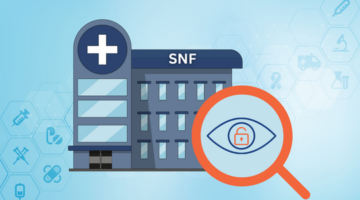
What if health plans could identify member decline before an avoidable hospitalization occurs? Real-time clinical visibility into long-stay SNF members uncovers risk earlier and drives better outcomes.

Pharma leaders must take a “construction crew” mindset and start treating workforce development in the same manner as they do critical infrastructure.

Patient trust, physician credibility, and payer goodwill are not soft considerations alongside the balance sheet; they are the mechanism by which a pharmaceutical product generates revenue over time.

Faster trials are not a vanity metric. They reflect an undeniable need: getting safe therapies to patients sooner.

It’s time we reignite treatment development for sepsis and other immune-mediated conditions that strike when patients are most vulnerable.

We are taking a look at how health insurers are using AI, defining success, and managing cybersecurity risks. Give us your opinions by completing our brief, anonymous survey.

As adoption accelerates, organizations must ensure that the use of AI strengthens and not weakens accountability and patient safety.
The bottleneck in AI-enabled real-world data analysis is not computation, model architecture, or training data volume. It is the semantic layer over which the AI is trying to reason – the place where precise clinical meaning lives.

Drug development isn't limited by the amount of data we collect, but by our ability to preserve the context, meaning and relationships that transform data into evidence.
Hope is a catalyst for scientific ambition. It encourages researchers, clinicians, investors, and innovators to pursue solutions where none currently exist. In oncology, many major breakthroughs begin with the belief that a better answer is possible.


In an interview, Kyan Health Co-Founder and Chief Commercial Officer Konstantin Struck discussed how Kyan gives mid-market and enterprise employers access to premium workforce mental healthcare, at a price point that is affordable.

Groundbreaking new therapies have exciting potential to treat and cure diseases while minimizing burden on patients; however, they create major clinical, operational and financial implications that must be planned for years in advance.

Healthcare decision-makers, especially at pharmaceutical companies, must prioritize patient input. Data collected from social media listening is a significant step in the right direction.

The FDA now treats continuous, real-time data sharing as a regulatory direction of travel rather than a theoretical future. The neurology field should pay close attention.

Healthcare cybersecurity is no longer just about protecting electronic health records. It is increasingly about protecting the research, algorithms, clinical data, and intellectual property that drive the next generation of medicine.

The MENA evidence gap for selected portfolios is becoming a commercial liability for drugmakers that could have been prevented at the design stage.